Pool Excavation in NJ
Professional Vinyl Pool Excavation in New Jersey
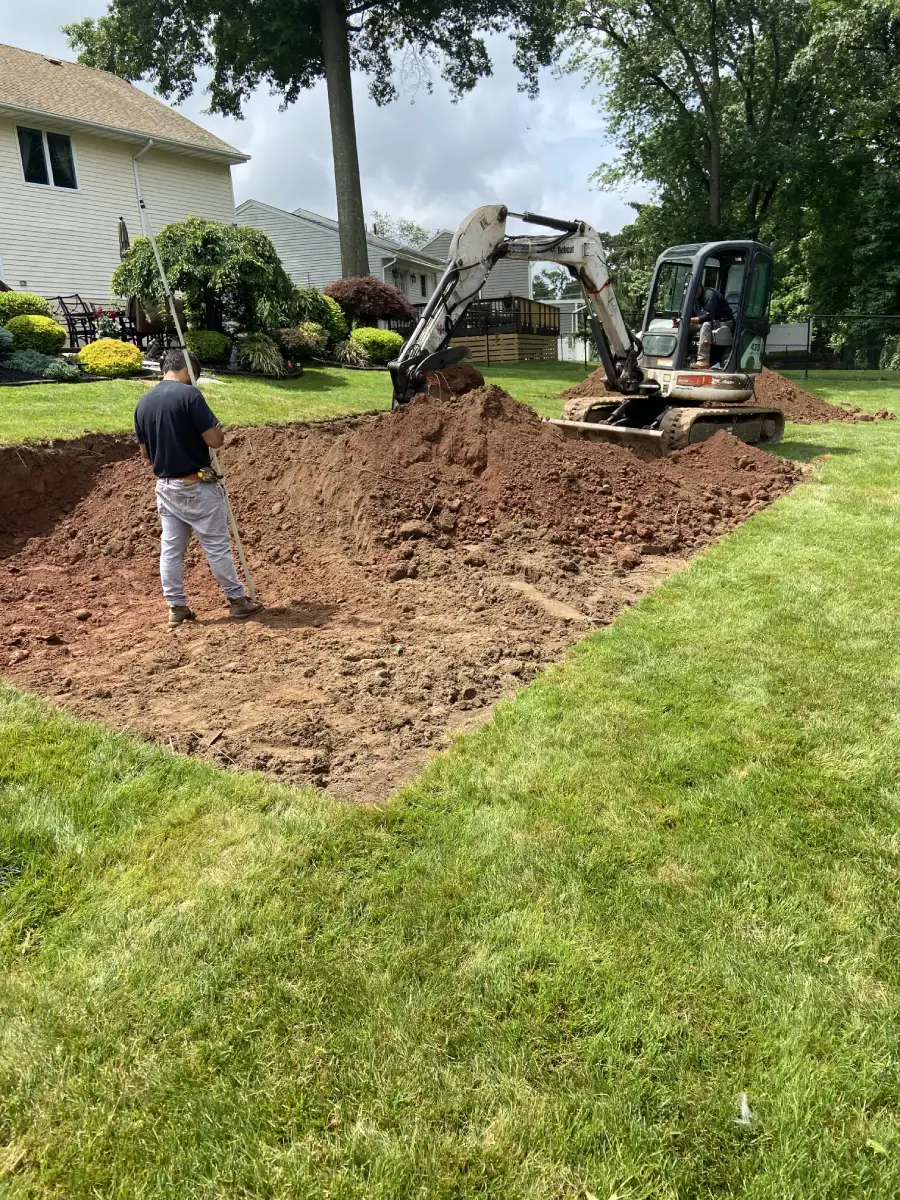
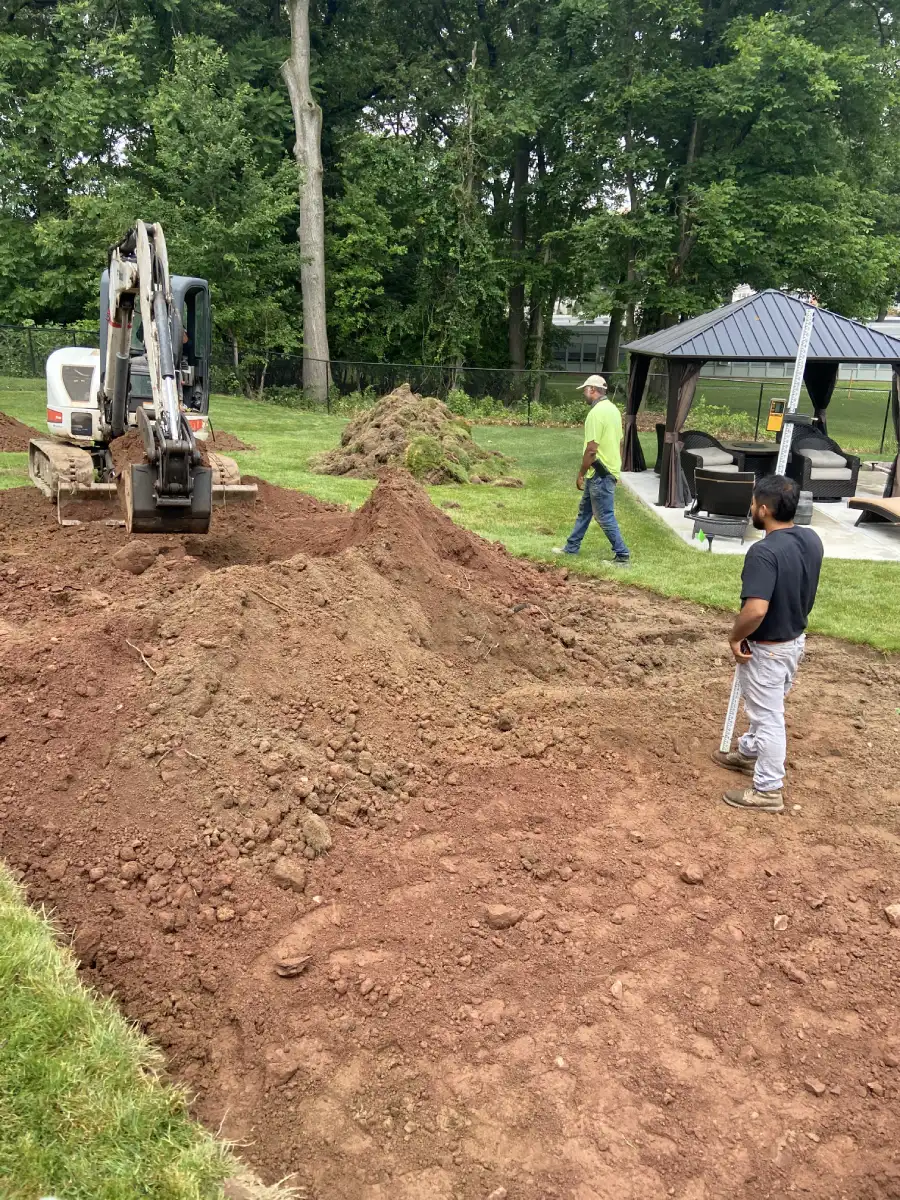
Pool Excavation in NJ is a structural site project, not a surface demolition. Vinyl liner pools contain wall panels, base materials, plumbing lines, and surrounding hardscape that must be dismantled in a controlled sequence to prevent unnecessary soil disturbance.
At Sunity Pools, vinyl pool excavation begins with a structured excavation plan. We disconnect utilities, remove liner materials, extract steel or polymer wall panels, and address vermiculite or base layers before backfill begins. Each stage is managed by our in house crew to maintain jobsite control and safety.
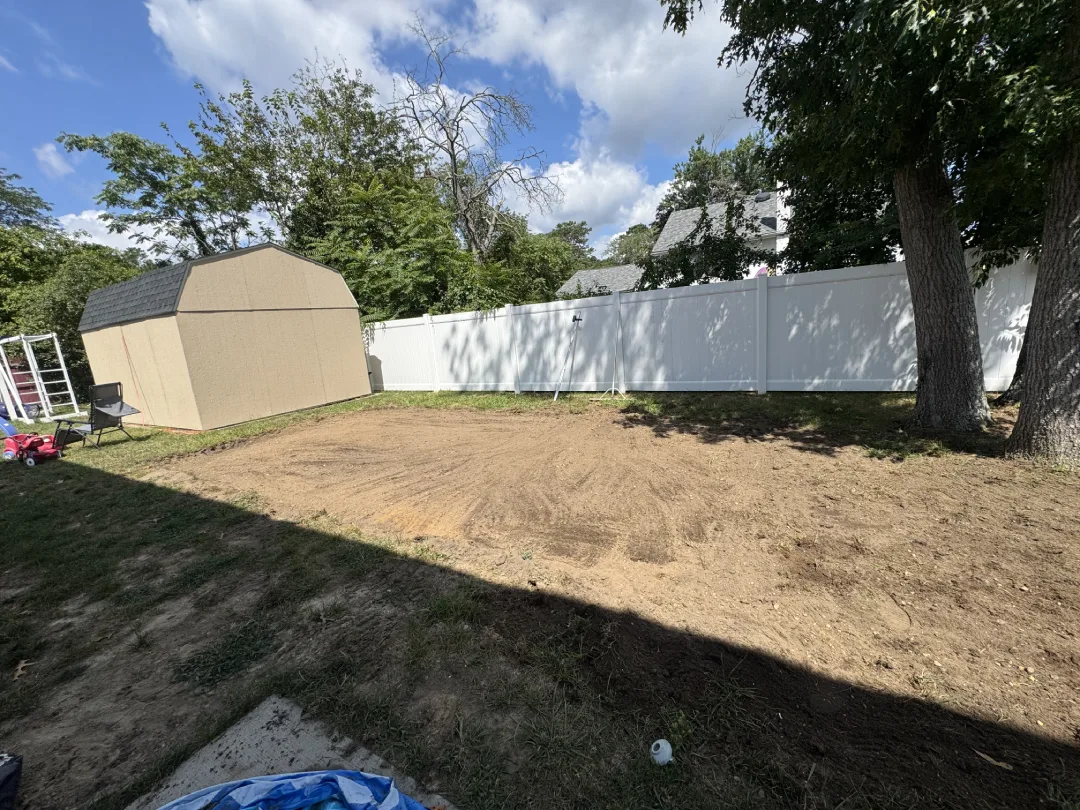
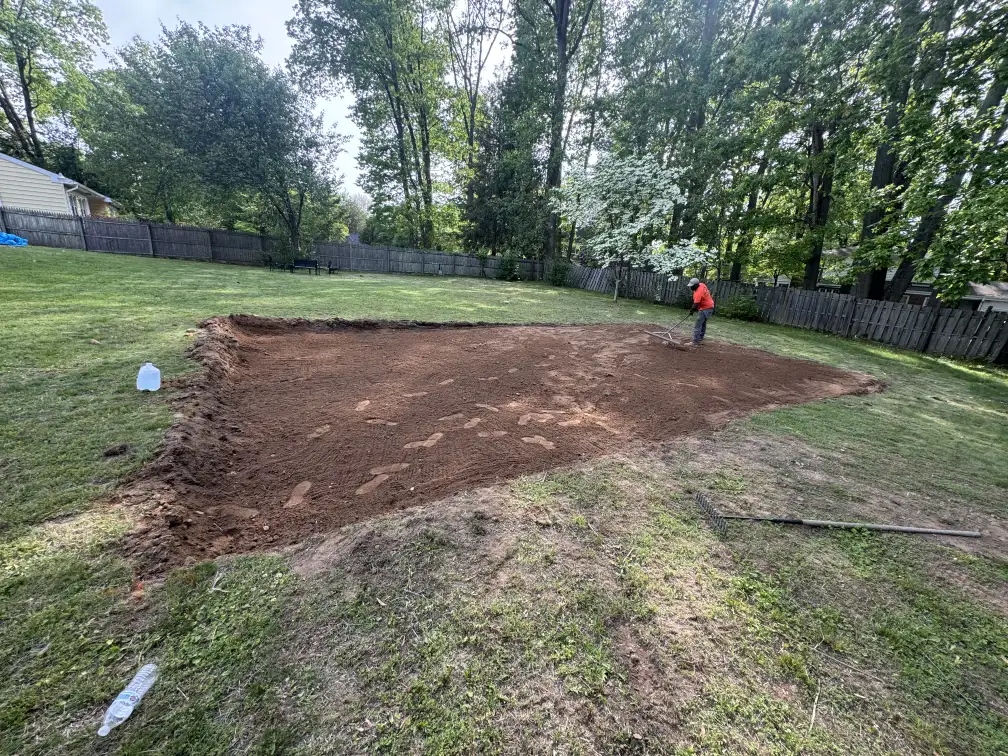
Our goal is not simply to remove the pool. It is to restore the property with proper grading, stable soil structure, and a surface ready for landscaping, lawn installation, or future hardscape work.
Vinyl Liner Pool Demolition and Material Handling
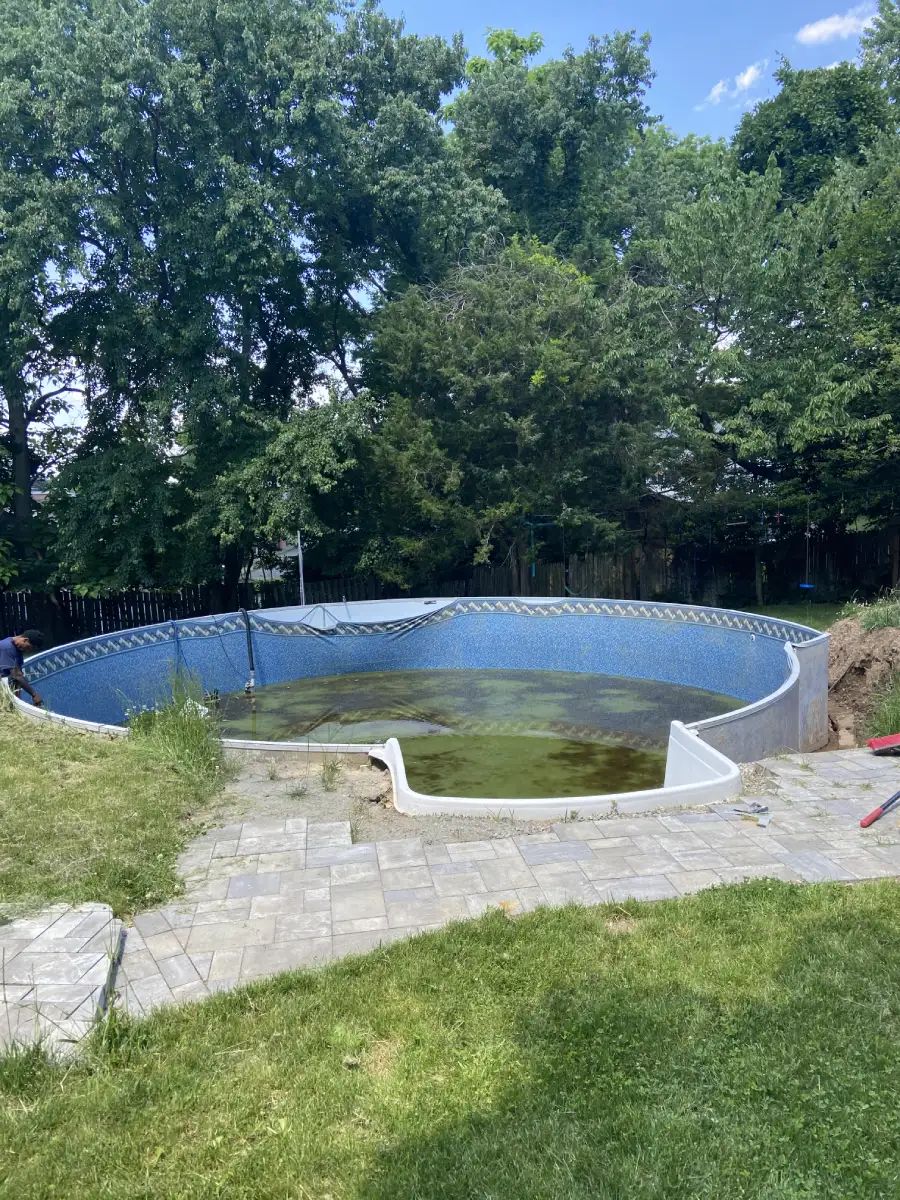
Vinyl liner pool demolition in NJ must be performed with attention to structural components and material separation. Wall panels, coping systems, plumbing lines, and base materials are removed in a controlled sequence to prevent unnecessary soil collapse or surrounding property damage.
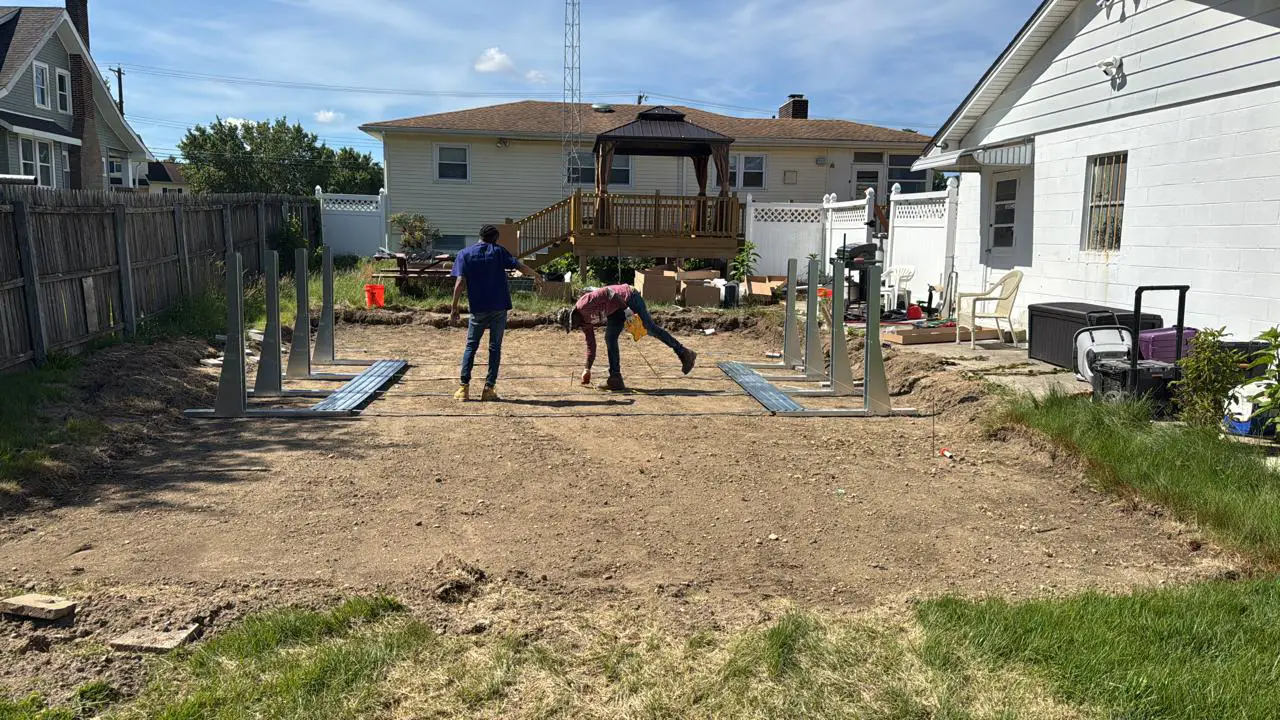
The liner is detached and disposed of properly. Steel or polymer wall systems are dismantled and extracted. Concrete decks or footings connected to the pool structure are cut and removed where required. Utilities are capped or removed according to site conditions.
Material handling is managed with equipment suited to yard access and property protection. Debris is separated, loaded, and hauled responsibly to maintain a clean jobsite throughout the process.
Each phase is executed by our in house crew to maintain control over excavation depth, structural integrity, and final site preparation.
Excavation, Backfill, and Compaction Standards
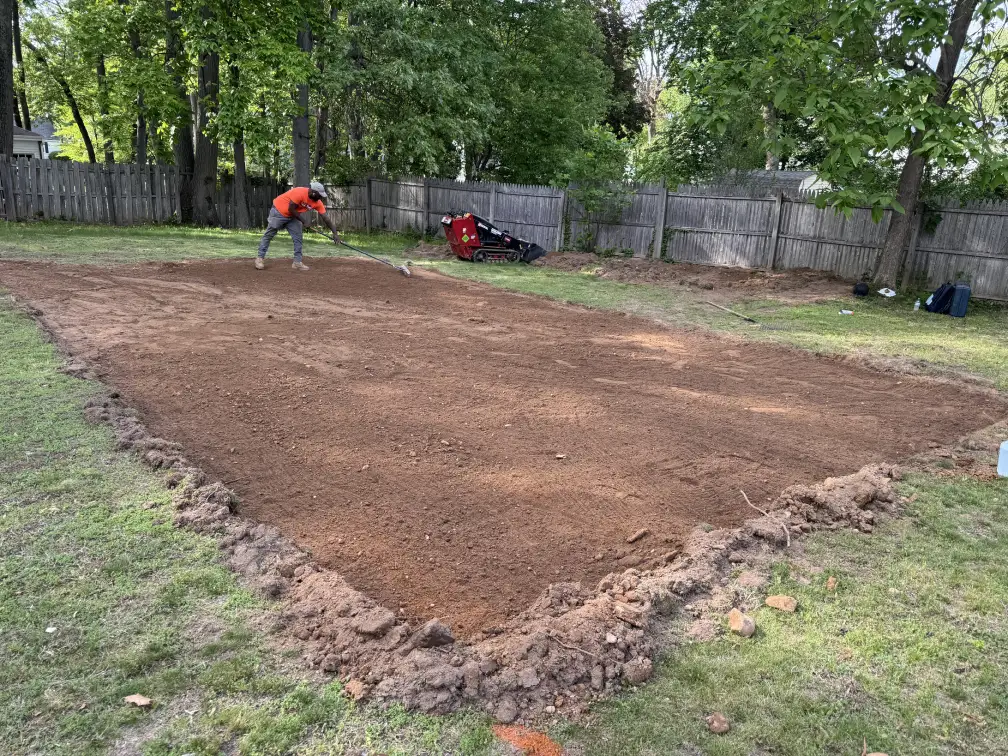
After structural components are removed, the excavation area must be restored with proper backfill and compaction. Pool Excavation in NJ requires layered fill placement and controlled compaction to reduce the risk of settlement over time.
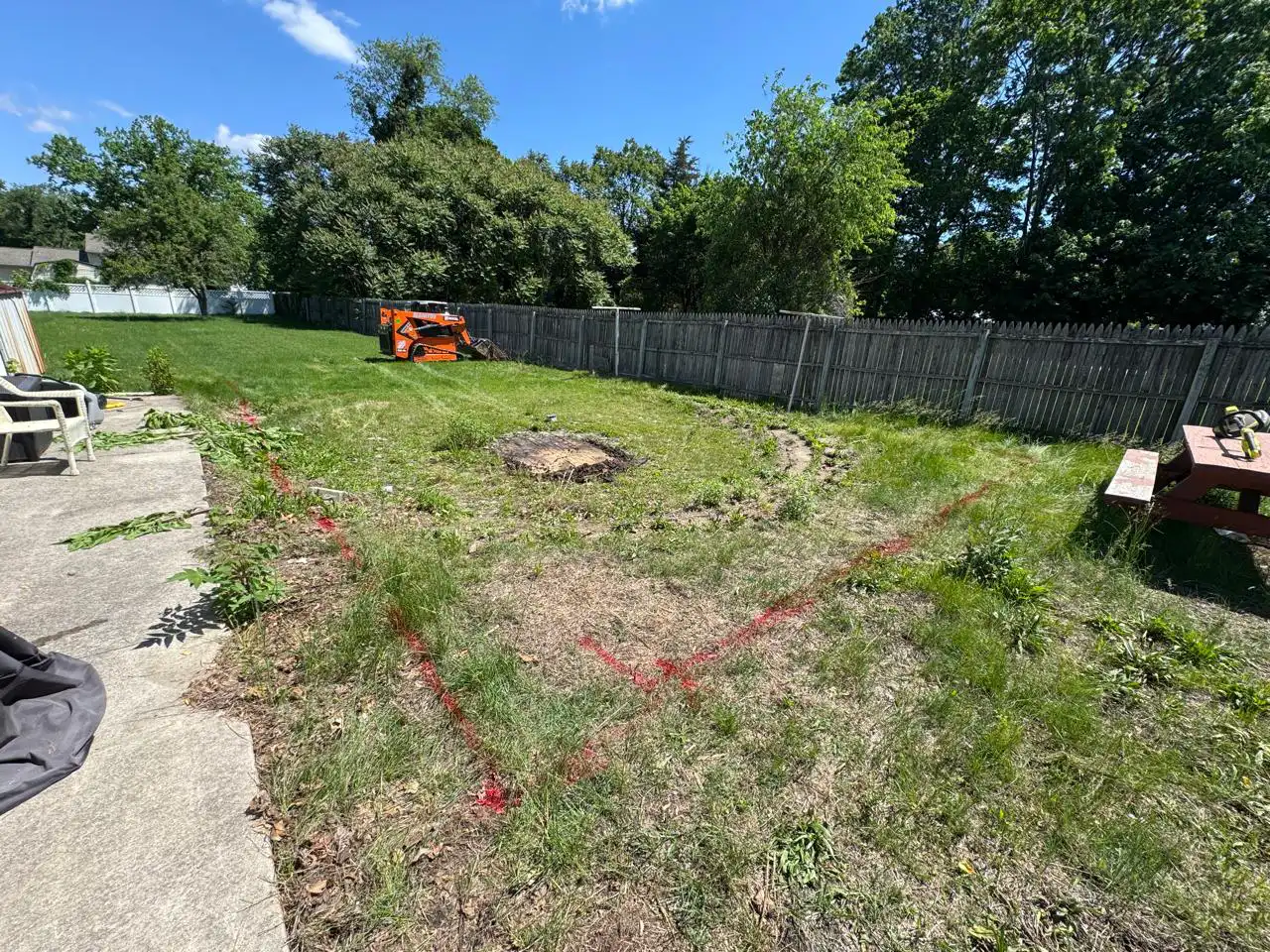
Backfill material is placed in lifts and compacted progressively to improve soil stability. Positive drainage is planned so water flows away from the former pool site instead of collecting in low areas. Surface grading is shaped to match surrounding yard elevation and prepare the area for lawn, landscaping, or future hardscape installation.
Improper fill or rushed compaction can lead to sinking soil, uneven grading, and long term structural movement. Our in house crew follows a structured approach to excavation and backfill to support long term site performance.
Permits, Inspections, and Grading Plan Support
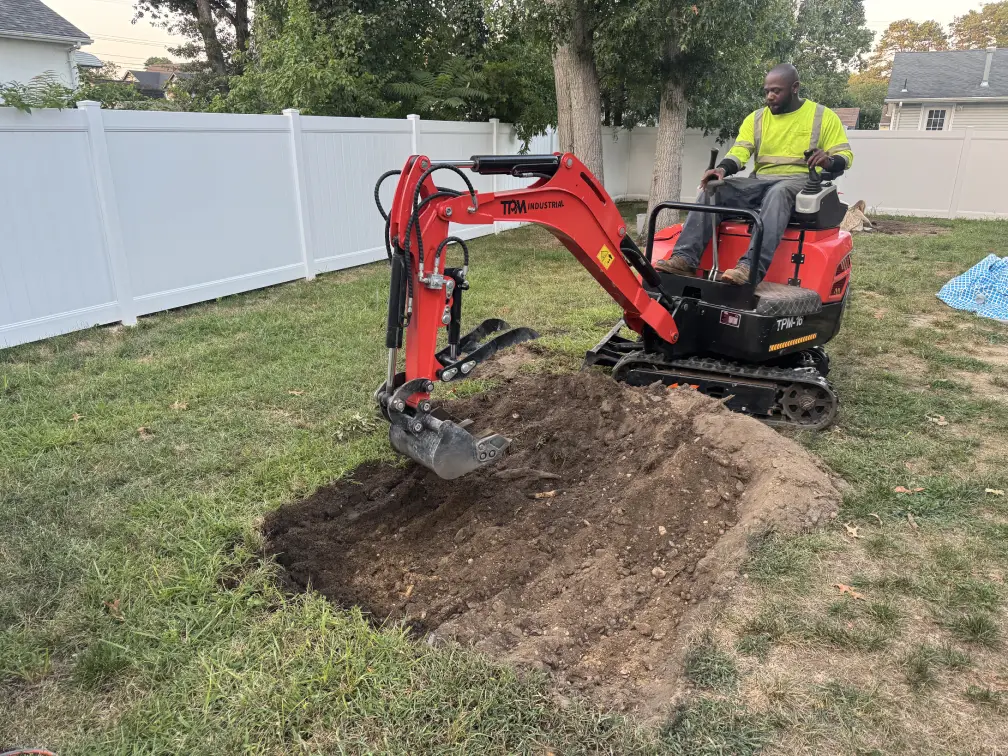
Pool Excavation in NJ may require municipal permits, inspections, or documentation depending on local regulations. Requirements vary by township and can affect how the pool is dismantled, backfilled, and restored.
We assist homeowners in understanding permit expectations and coordinate removal in accordance with local guidelines. When required, we prepare the site for inspection before final backfill or grading is completed.
Proper documentation and structured site preparation help prevent issues during resale inspections or future property improvements. Removal is handled with compliance awareness, not guesswork.
Why Homeowners Choose Our In House Crew
Structured Site Planning
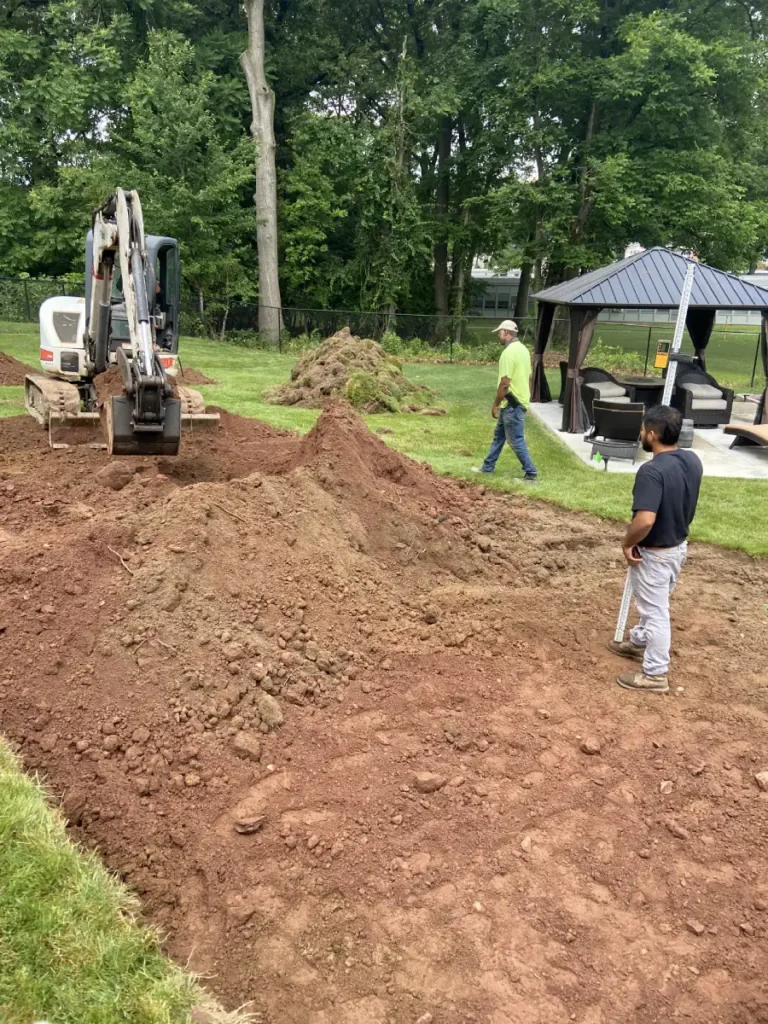
Removal begins with a clear excavation and grading plan to protect surrounding soil and property.
Controlled Demolition
Wall panels, base materials, and utilities are dismantled in sequence to prevent unnecessary damage.
Layered Backfill and Compaction
Fill is placed and compacted progressively to support long term soil stability.
In House Execution
Every inground pool removal in NJ is handled by our internal crew from demolition through final grading.
Our Pool Excavation Process
Site Review and Planning
We evaluate access, utilities, grading conditions, and municipal requirements before excavation begins.
Demolition and Extraction
The liner, wall panels, base materials, and plumbing components are dismantled and removed in a controlled sequence.
Backfill and Final Grading
Fill material is placed in layers, compacted progressively, and graded to support long term soil stability and positive drainage.
Frequently Asked Questions About Inground Pool Removal in NJ
2oo+ satisfied customers
Do I need a permit for inground pool removal in NJ?
Permit requirements vary by municipality. Some towns require documentation and inspection before final grading. We review local guidelines before work begins.
What is the difference between full and partial pool removal?
Full removal extracts structural components before backfill. Partial removal leaves portions of the shell in place after drainage openings are created. The right option depends on local regulations and future property plans.
Will the ground settle after pool removal?
When backfill is placed and compacted properly in layers, long term settlement risk is reduced. Structured compaction is critical to soil stability.
How long does inground pool removal take?
Most removal projects take several days depending on pool size, access conditions, and backfill requirements.
Can the area be used for landscaping or construction afterward?
Yes. Once excavation and grading are completed correctly, the site can be prepared for lawn, landscaping, or future hardscape projects.